
Using AI as a testing co-pilot: A real-world session with an embedded device
What AI-assisted testing actually looks like in practice — the wins, the failures, and what it taught me about the division of labor between a human tester and an AI tool.

What AI-assisted testing actually looks like in practice — the wins, the failures, and what it taught me about the division of labor between a human tester and an AI tool.
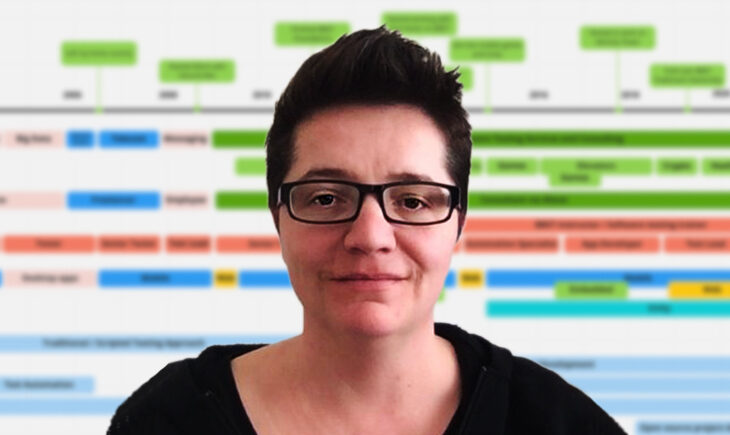
A while ago, I saw this tweet from Maaret where she reflected on her 25 years of testing and on how her career and roles have developed throughout time: This made me realize that 2022 marks my 20 years of testing, so I decided to follow Maaret’s lead and reflect on my own timeline. I… read more
Testing Process Audit. The term “audit” might sound a bit like an official financial inspection, doesn’t it? But it’s not. Did you know that “audit” derives from the Latin word audire, which means “to hear”? So, during our testing process audit, we want to hear you. In the following section, we will explain how we… read more

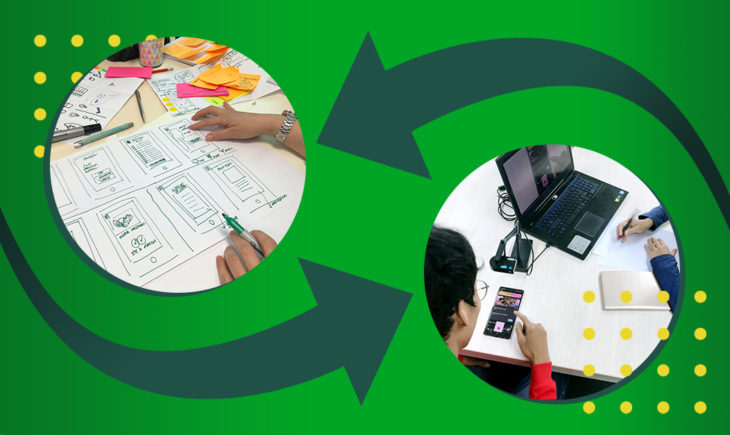
Some of the most beloved digital products have one thing in common: the user is at the heart of the entire development process. Embarking on a creative digital venture has a unique set of rewards and challenges, but successfully breaking through on a competitive market is dependent on thorough software testing and smart UX. Objectively,… read more

In 2014 our colleague Ru created a tool in Google Scripts to support her testing in an organized and measurable way, using the Session Based Test Management method. The tool is available in the Google Templates Gallery via this link https://drive.google.com/a/altom.ro/previewtemplate?id=0Aqk-dNwZsfwrdHlfYTRSN3FKQzlVenBYWUhZUk44REE&mode=public&ddrp=1#.

It was a beautiful spring in 2013. I was in the testing business for three years part-time and one-year full time: a good time for me to take a course in testing and consolidate what I was doing in practice. My testing mentors, Oana, Alex, and Ru, recommended the BBST courses. Two of them had… read more


Context În 2012 echipa noastră formată din patru Altomi a câștigat concursul Eurostar Team Star cu filmulețul “Creaturi ale testării” (EN: Creatures of Testing). Așa am ajuns să participăm la cea mai mare conferință din Europa dedicată testării software, care a avut loc în Amsterdam. Una dintre sesiunile la care am participat a fost “Crearea… read more
It all started with an e-mail. It was that time of the year and we were anxious for it. What would be the challenge this year? Who will rise from their chairs and demand a place in the team?
The quiet settles and a new email asks shyly, “Who wants to be in the TeamStar competition this year?”. The possible contenders are partially known – Dorel and Dolly. Both of them have been on this path before. Later on, they are joined by Oana and Elena.

We recently had a meetup in Cluj focused on testing tours, with the occasion of Eurostar’s contest Teamstar. As part of their contest entry some of our colleagues decided to create a workshop in which we would practice with tours. They prepared intensely for a few weeks: searched materials on this technique, picked a list of tours, practiced with them, and created an exercise for the meetup.
The first thing I realized from this experience is that there is a lot out there about testing tours. The organizers kindly provided some materials to read before the meetup, from diverse sources. Going through them, I found references to even more materials on tours. (You can find them at the end of the article). So it seems to be quite a known technique.
But why all this focus on testing tours? In what ways are they valuable?

I sat down with James to talk about his approach in teaching the RST course. Some interesting behind-the-scene insight came out, including particular ways that James uses to give feedback to his students.